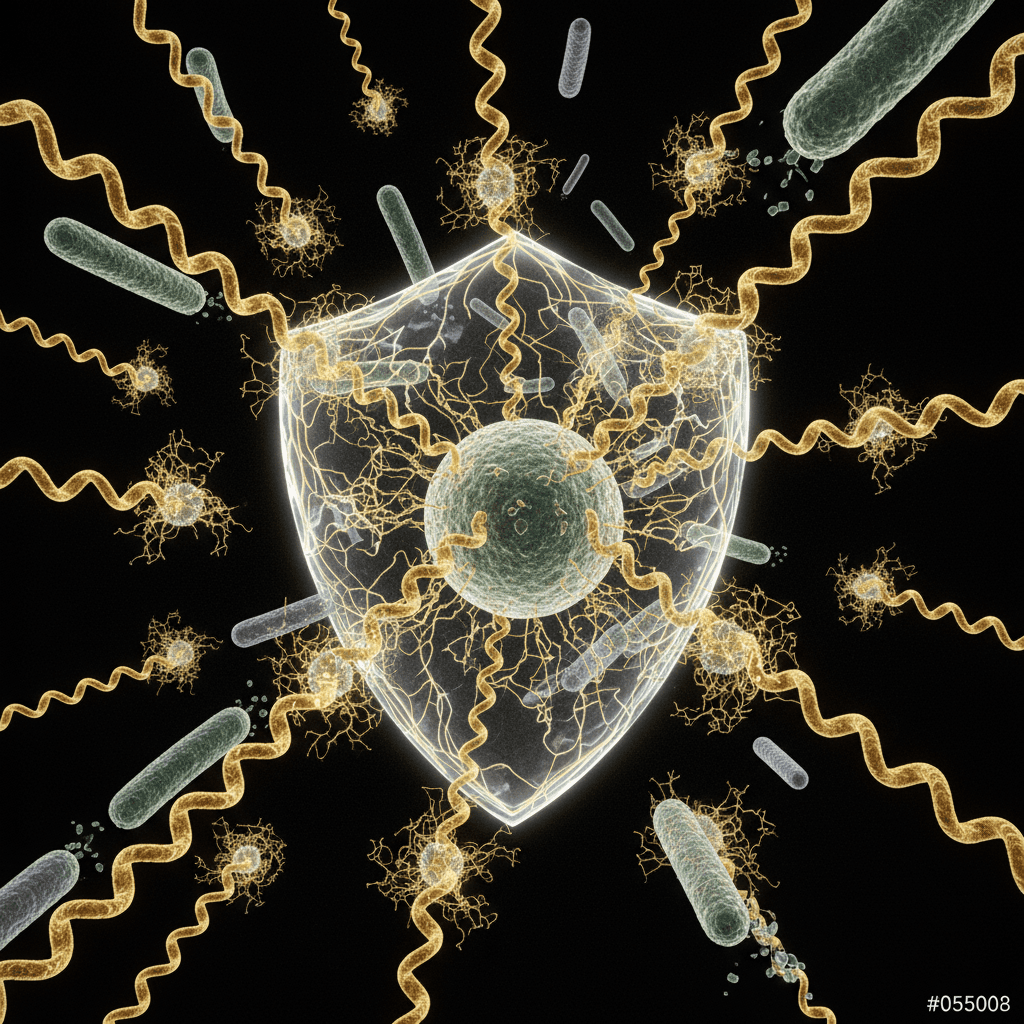
LL-37
Cathelicidin LL-37
Potential Benefits
- Broad-spectrum antimicrobial activity against bacteria, viruses, and fungi documented in research
- May support innate immune defense mechanisms
- Research suggests wound healing and tissue repair properties
- Studies indicate immunomodulatory effects that may help balance inflammatory responses
- Preclinical data suggests potential anti-biofilm properties
Recommended Starting Dose
100 mcg subcutaneously (not well-established; protocols vary widely)
Based on published research protocols. Not a prescription.
Dosing Protocol
No established clinical dosing protocol for therapeutic peptide use. Research and anecdotal protocols vary considerably. Some practitioners use 100 mcg subcutaneously several times per week. This peptide is primarily used in research settings.
DOSING INFORMATION DISCLAIMER: Any dosing information, protocols, or ranges discussed on this site are drawn from published research studies and clinical literature. They are presented for educational reference only and must not be used as self-medication guidance.
Expected Timeline
Phase 1
As an immune-modulating peptide, effects on immune biomarkers may be measurable within weeks. Clinical experience is very limited.
Research Status
The regulatory status of peptides can change at any time. Verify current FDA classification and legal status in your jurisdiction before seeking medical consultation about this compound.
Potential Side Effects
- Very limited human clinical data for exogenous administration
- Injection site reactions possible
- Potential for pro-inflammatory effects at high concentrations
- Elevated LL-37 levels have been associated with certain inflammatory conditions (e.g., psoriasis, rosacea)
- Safety profile for therapeutic administration is not established
More in Immune

Ta1
Thymosin Alpha 1
Thymosin Alpha 1 is a naturally occurring peptide first isolated from thymic tissue. The synthetic version (thymalfasin) is approved in over 35 countries for conditions including hepatitis B, hepatitis C, and as an immune adjuvant. It modulates the immune system by enhancing T-cell function, dendritic cell maturation, and antibody responses.

KPV
KPV Tripeptide
KPV is a tripeptide (Lys-Pro-Val) derived from the C-terminal end of alpha-melanocyte-stimulating hormone (alpha-MSH). It retains the anti-inflammatory properties of the parent hormone without the pigmentation effects. Research has focused on its potential applications in inflammatory bowel disease and skin inflammation.
Medical Disclaimer
EDUCATIONAL CONTENT ONLY: The peptide information presented on this page is compiled from published scientific literature, peer-reviewed research, and publicly available clinical data. It is provided strictly for educational purposes and does not constitute medical advice, an endorsement of any specific peptide, or a recommendation for treatment. Many peptides discussed on this site have not received FDA approval for human therapeutic use. Some may be under active regulatory review or subject to restrictions on compounding under FDA Section 503A and 503B frameworks. The regulatory status of individual peptides can change at any time. Readers should verify the current legal status of any peptide in their jurisdiction before pursuing further information or consultation. If you are considering peptide therapy, seek guidance from a licensed physician or healthcare provider who specializes in peptide-based treatments and operates within applicable federal and state regulations.