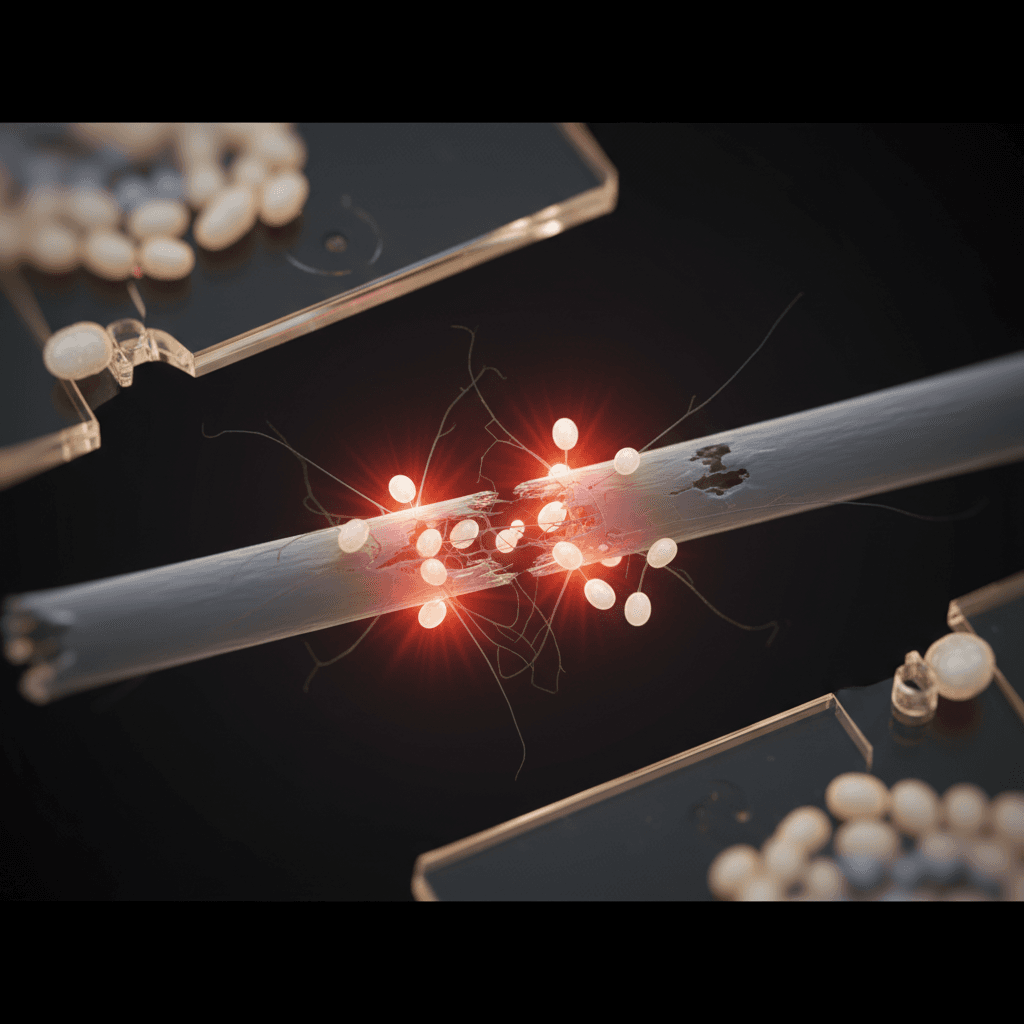
MGF
Mechano Growth Factor
Potential Benefits
- Research suggests activation of muscle satellite cells for repair and growth
- May support localized muscle recovery after exercise-induced damage
- Preclinical data indicates potential for muscle tissue repair
- PEGylated form provides extended activity compared to native MGF
- Studies suggest it may promote muscle stem cell proliferation without full differentiation (priming for repair)
Recommended Starting Dose
PEG-MGF: 200 mcg intramuscularly or subcutaneously (experimental)
Based on published research protocols. Not a prescription.
Dosing Protocol
PEG-MGF: 200 mcg injected 2-3 times per week, often into or near the target muscle group. Non-PEGylated MGF has a very short half-life (minutes) and requires bilateral injection. Cycles of 4-6 weeks are typical in anecdotal protocols. Often used alongside other growth hormone secretagogues.
DOSING INFORMATION DISCLAIMER: Any dosing information, protocols, or ranges discussed on this site are drawn from published research studies and clinical literature. They are presented for educational reference only and must not be used as self-medication guidance.
Expected Timeline
Phase 1
Anecdotal reports describe improved recovery and muscle soreness reduction within 1-2 weeks. Measurable muscle adaptation would require longer periods.
Research Status
The regulatory status of peptides can change at any time. Verify current FDA classification and legal status in your jurisdiction before seeking medical consultation about this compound.
Potential Side Effects
- Very limited human safety data
- Injection site pain and irritation
- Potential for localized swelling
- Blood sugar effects possible (IGF-1 variant)
- Quality control concerns with research-grade products
- Long-term effects of exogenous satellite cell activation are unknown
More in Recovery
BPC-157
Body Protection Compound-157
BPC-157 is a synthetic peptide derived from a protective protein found in human gastric juice. It consists of 15 amino acids and has been studied for its potential role in tissue repair, wound healing, and gut protection. Animal studies suggest it may accelerate healing of tendons, ligaments, muscles, and the gastrointestinal tract.
TB-500
Thymosin Beta-4
TB-500 is a synthetic version of Thymosin Beta-4, a naturally occurring peptide present in nearly all human and animal cells. It plays a role in cell migration, proliferation, and differentiation. Research has focused on its potential to promote tissue repair and reduce inflammation.
PPS
Pentosan Polysulfate Sodium
Pentosan Polysulfate Sodium (PPS) is a semi-synthetic polysulfated xylan derived from beechwood hemicellulose. While technically a polysaccharide rather than a peptide, it is often discussed alongside peptide therapies for joint and tissue health. It is FDA-approved as Elmiron for interstitial cystitis and has been used in veterinary medicine for osteoarthritis for decades.
Medical Disclaimer
EDUCATIONAL CONTENT ONLY: The peptide information presented on this page is compiled from published scientific literature, peer-reviewed research, and publicly available clinical data. It is provided strictly for educational purposes and does not constitute medical advice, an endorsement of any specific peptide, or a recommendation for treatment. Many peptides discussed on this site have not received FDA approval for human therapeutic use. Some may be under active regulatory review or subject to restrictions on compounding under FDA Section 503A and 503B frameworks. The regulatory status of individual peptides can change at any time. Readers should verify the current legal status of any peptide in their jurisdiction before pursuing further information or consultation. If you are considering peptide therapy, seek guidance from a licensed physician or healthcare provider who specializes in peptide-based treatments and operates within applicable federal and state regulations.