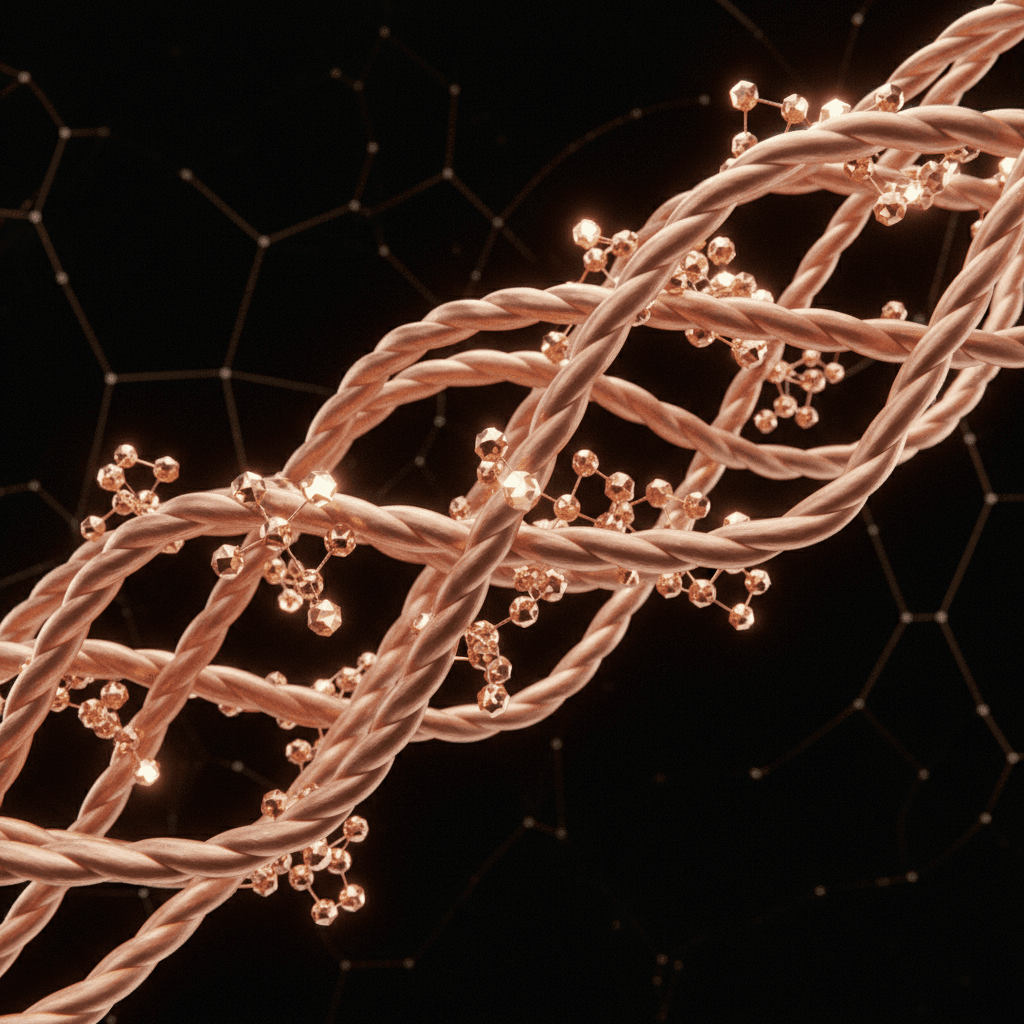
GHK-Cu
Copper Peptide GHK-Cu
Potential Benefits
- Research suggests stimulation of collagen and glycosaminoglycan synthesis in skin
- May promote wound healing and tissue remodeling
- Studies indicate potential antioxidant and anti-inflammatory properties
- Gene expression studies suggest it may modulate over 4,000 human genes toward a healthier pattern
- Topical application may improve skin firmness, elasticity, and clarity
- May support hair follicle health and hair growth based on limited studies
Recommended Starting Dose
Topical: serums at 1-2% concentration. Injectable: 1-2 mg subcutaneously (less established)
Based on published research protocols. Not a prescription.
Dosing Protocol
Topical formulations are applied 1-2 times daily to clean skin. Injectable protocols (less studied) typically involve 1-2 mg subcutaneously daily or several times per week. Topical use can be ongoing; injectable cycles are typically 4-8 weeks.
DOSING INFORMATION DISCLAIMER: Any dosing information, protocols, or ranges discussed on this site are drawn from published research studies and clinical literature. They are presented for educational reference only and must not be used as self-medication guidance.
Expected Timeline
Phase 1
Topical skin improvements (tone, texture) may be noticed in 4-8 weeks. Hair-related effects, if any, typically require 3-6 months of consistent use.
Research Status
The regulatory status of peptides can change at any time. Verify current FDA classification and legal status in your jurisdiction before seeking medical consultation about this compound.
Potential Side Effects
- Generally well-tolerated topically
- Skin irritation possible with high concentrations
- Subcutaneous injection may cause injection site reactions
- Systemic effects of injected GHK-Cu are not well-characterized
- Rare allergic reactions to copper peptides
More in Anti-Aging
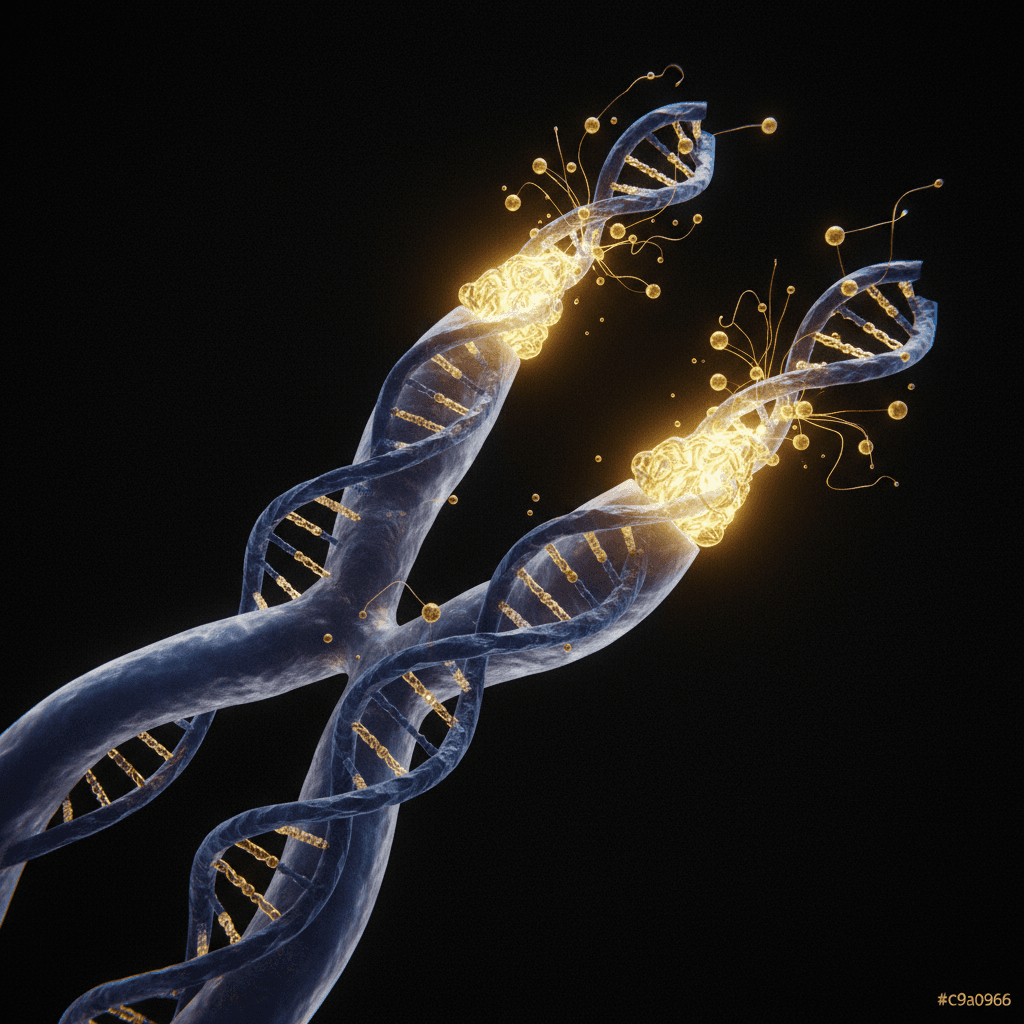
Epithalon
Epithalon (Epitalon)
Epithalon is a synthetic tetrapeptide (Ala-Glu-Asp-Gly) based on the natural peptide Epithalamin, which is produced by the pineal gland. It was developed by Russian scientist Vladimir Khavinson. Research has focused on its potential to activate telomerase, the enzyme responsible for maintaining telomere length, which is associated with cellular aging.
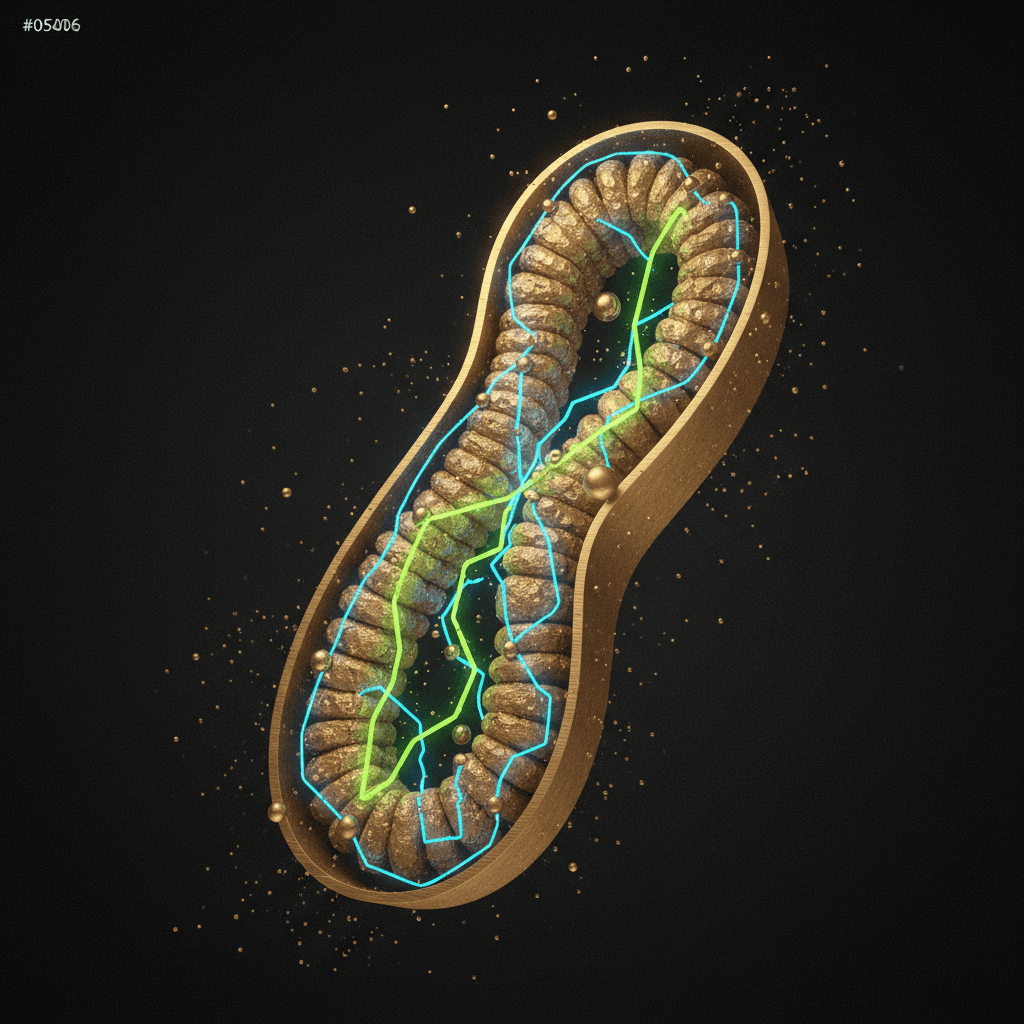
MOTS-c
Mitochondrial Open Reading Frame of the 12S rRNA-c
MOTS-c is a mitochondrial-derived peptide encoded within the mitochondrial 12S rRNA gene. Discovered in 2015 by Dr. Pinchas Cohen's lab at USC, it is the first known mitochondrial-encoded peptide that acts as a hormone. Research suggests it plays a role in metabolic homeostasis, exercise mimicry, and cellular stress resistance.
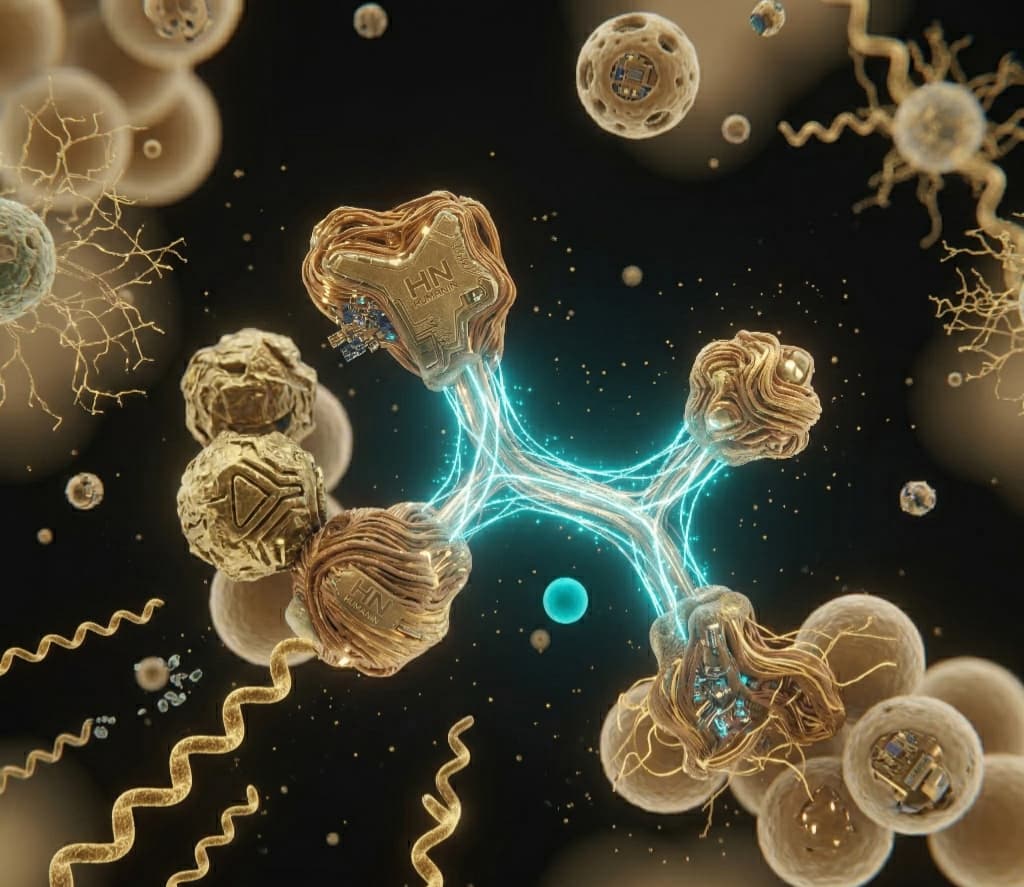
HN
Humanin
Humanin is a mitochondrial-derived peptide consisting of 24 amino acids, first identified in 2001 from surviving neurons of Alzheimer's disease patients. It is encoded in the mitochondrial genome within the 16S ribosomal RNA gene. Research has focused on its cytoprotective, neuroprotective, and metabolic regulatory properties.
Medical Disclaimer
EDUCATIONAL CONTENT ONLY: The peptide information presented on this page is compiled from published scientific literature, peer-reviewed research, and publicly available clinical data. It is provided strictly for educational purposes and does not constitute medical advice, an endorsement of any specific peptide, or a recommendation for treatment. Many peptides discussed on this site have not received FDA approval for human therapeutic use. Some may be under active regulatory review or subject to restrictions on compounding under FDA Section 503A and 503B frameworks. The regulatory status of individual peptides can change at any time. Readers should verify the current legal status of any peptide in their jurisdiction before pursuing further information or consultation. If you are considering peptide therapy, seek guidance from a licensed physician or healthcare provider who specializes in peptide-based treatments and operates within applicable federal and state regulations.