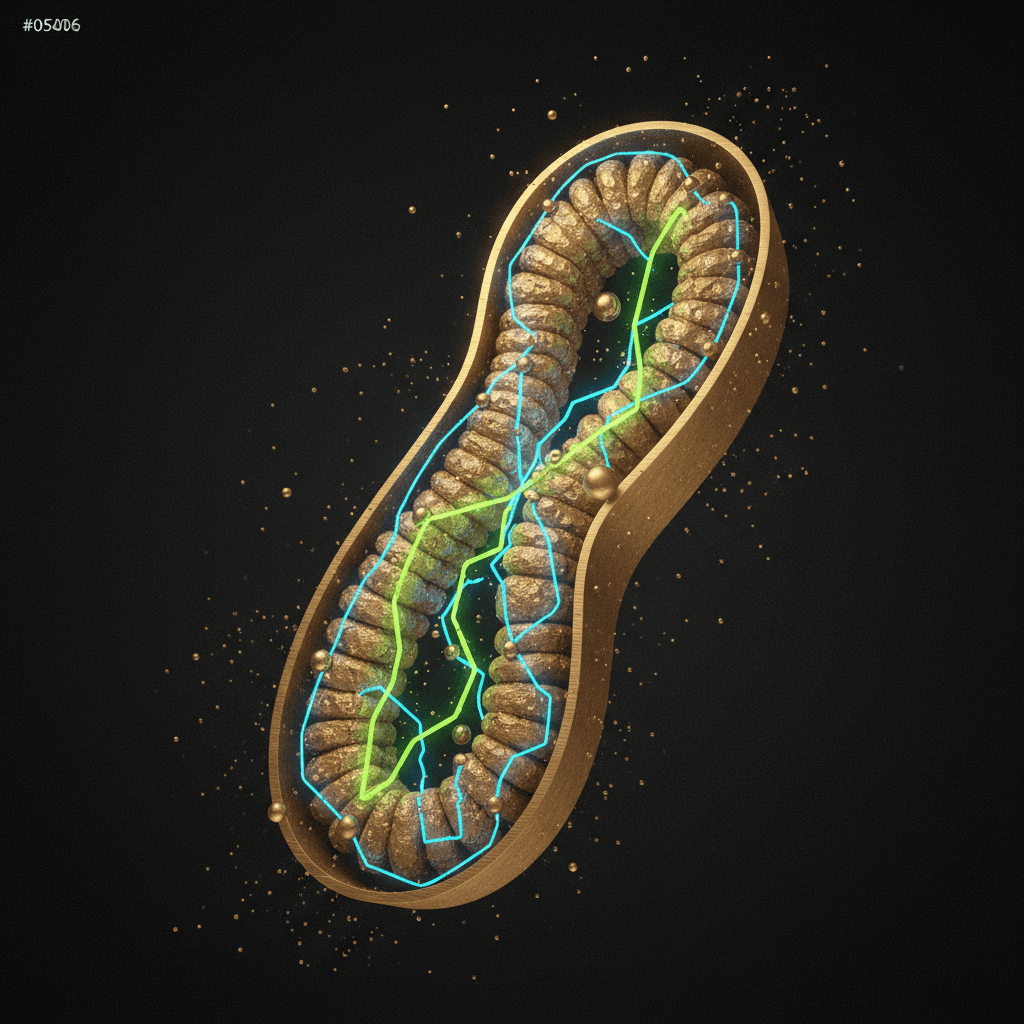
MOTS-c
Mitochondrial Open Reading Frame of the 12S rRNA-c
Potential Benefits
- Research suggests activation of AMPK pathway, a key metabolic regulator
- Animal studies indicate potential to improve insulin sensitivity and glucose metabolism
- May mimic some effects of exercise at the cellular level based on preclinical data
- Studies suggest potential protective effects against age-related metabolic decline
- Preclinical research indicates potential for skeletal muscle function support
Recommended Starting Dose
5-10 mg subcutaneously per week
Based on published research protocols. Not a prescription.
Dosing Protocol
Common protocols involve 5-10 mg injected subcutaneously 1-3 times per week. Some practitioners recommend cycles of 4-8 weeks followed by a break. Dosing is not well-established due to limited human clinical data.
DOSING INFORMATION DISCLAIMER: Any dosing information, protocols, or ranges discussed on this site are drawn from published research studies and clinical literature. They are presented for educational reference only and must not be used as self-medication guidance.
Expected Timeline
Phase 1
Effects on energy and exercise capacity are reported anecdotally within 2-4 weeks. Metabolic biomarker changes may take 4-8 weeks to measure.
Research Status
The regulatory status of peptides can change at any time. Verify current FDA classification and legal status in your jurisdiction before seeking medical consultation about this compound.
Potential Side Effects
- Very limited human safety data
- Injection site reactions possible
- Potential effects on blood sugar levels (caution in diabetics)
- Long-term safety profile is unknown
- Most data comes from animal models and in vitro studies
More in Anti-Aging
GHK-Cu
Copper Peptide GHK-Cu
GHK-Cu is a naturally occurring copper-binding tripeptide (glycyl-L-histidyl-L-lysine) found in human plasma, saliva, and urine. Its concentration declines with age. Research suggests it plays roles in wound healing, collagen synthesis, and gene expression modulation. It is widely used in topical skincare and studied for systemic anti-aging applications.
Epithalon
Epithalon (Epitalon)
Epithalon is a synthetic tetrapeptide (Ala-Glu-Asp-Gly) based on the natural peptide Epithalamin, which is produced by the pineal gland. It was developed by Russian scientist Vladimir Khavinson. Research has focused on its potential to activate telomerase, the enzyme responsible for maintaining telomere length, which is associated with cellular aging.
HN
Humanin
Humanin is a mitochondrial-derived peptide consisting of 24 amino acids, first identified in 2001 from surviving neurons of Alzheimer's disease patients. It is encoded in the mitochondrial genome within the 16S ribosomal RNA gene. Research has focused on its cytoprotective, neuroprotective, and metabolic regulatory properties.
Medical Disclaimer
EDUCATIONAL CONTENT ONLY: The peptide information presented on this page is compiled from published scientific literature, peer-reviewed research, and publicly available clinical data. It is provided strictly for educational purposes and does not constitute medical advice, an endorsement of any specific peptide, or a recommendation for treatment. Many peptides discussed on this site have not received FDA approval for human therapeutic use. Some may be under active regulatory review or subject to restrictions on compounding under FDA Section 503A and 503B frameworks. The regulatory status of individual peptides can change at any time. Readers should verify the current legal status of any peptide in their jurisdiction before pursuing further information or consultation. If you are considering peptide therapy, seek guidance from a licensed physician or healthcare provider who specializes in peptide-based treatments and operates within applicable federal and state regulations.