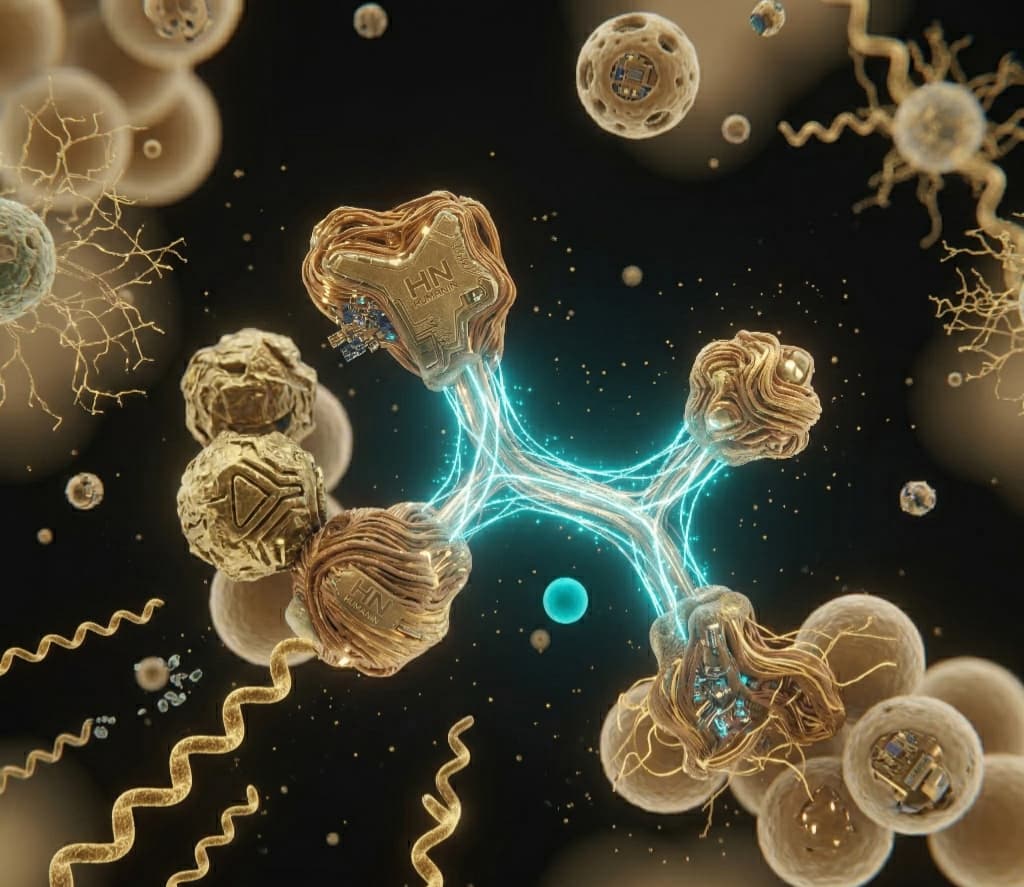
HN
Humanin
Potential Benefits
- Preclinical research suggests neuroprotective effects against amyloid-beta toxicity
- Studies indicate potential cytoprotective properties in various cell types
- May support insulin sensitivity and metabolic health based on animal studies
- Research suggests anti-apoptotic effects (protection against programmed cell death)
- Circulating humanin levels decline with age, suggesting potential relevance to aging
Recommended Starting Dose
Not well-established; research doses vary widely (typically in the microgram range in studies)
Based on published research protocols. Not a prescription.
Dosing Protocol
No established clinical dosing protocol. Research applications use varying doses. Synthetic analogs like HNG (S14G-Humanin) have been studied for enhanced potency. This peptide remains primarily in the research phase.
DOSING INFORMATION DISCLAIMER: Any dosing information, protocols, or ranges discussed on this site are drawn from published research studies and clinical literature. They are presented for educational reference only and must not be used as self-medication guidance.
Expected Timeline
Phase 1
As a research compound, expected timelines for human benefit are not well-defined. Biomarker studies would be needed to assess effects.
Research Status
The regulatory status of peptides can change at any time. Verify current FDA classification and legal status in your jurisdiction before seeking medical consultation about this compound.
Potential Side Effects
- Very limited human clinical data
- Safety profile in humans is not established
- Theoretical concerns about anti-apoptotic effects in cancer cells
- Long-term effects are unknown
- Most research is preclinical
More in Anti-Aging
GHK-Cu
Copper Peptide GHK-Cu
GHK-Cu is a naturally occurring copper-binding tripeptide (glycyl-L-histidyl-L-lysine) found in human plasma, saliva, and urine. Its concentration declines with age. Research suggests it plays roles in wound healing, collagen synthesis, and gene expression modulation. It is widely used in topical skincare and studied for systemic anti-aging applications.
Epithalon
Epithalon (Epitalon)
Epithalon is a synthetic tetrapeptide (Ala-Glu-Asp-Gly) based on the natural peptide Epithalamin, which is produced by the pineal gland. It was developed by Russian scientist Vladimir Khavinson. Research has focused on its potential to activate telomerase, the enzyme responsible for maintaining telomere length, which is associated with cellular aging.
MOTS-c
Mitochondrial Open Reading Frame of the 12S rRNA-c
MOTS-c is a mitochondrial-derived peptide encoded within the mitochondrial 12S rRNA gene. Discovered in 2015 by Dr. Pinchas Cohen's lab at USC, it is the first known mitochondrial-encoded peptide that acts as a hormone. Research suggests it plays a role in metabolic homeostasis, exercise mimicry, and cellular stress resistance.
Medical Disclaimer
EDUCATIONAL CONTENT ONLY: The peptide information presented on this page is compiled from published scientific literature, peer-reviewed research, and publicly available clinical data. It is provided strictly for educational purposes and does not constitute medical advice, an endorsement of any specific peptide, or a recommendation for treatment. Many peptides discussed on this site have not received FDA approval for human therapeutic use. Some may be under active regulatory review or subject to restrictions on compounding under FDA Section 503A and 503B frameworks. The regulatory status of individual peptides can change at any time. Readers should verify the current legal status of any peptide in their jurisdiction before pursuing further information or consultation. If you are considering peptide therapy, seek guidance from a licensed physician or healthcare provider who specializes in peptide-based treatments and operates within applicable federal and state regulations.